
HorseBetting.com.au takes a look at some the stats behind the Melbourne Cup, including how the different colours of thoroughbreds have fared over the years.

The Melbourne Cup is one of the biggest betting events in world horse racing. The 2024 edition will go ahead on Tuesday, November 5.
The Melbourne Cup is a quality handicap open to thoroughbred horses aged three years and older, so it has always drawn a wide variety of runners. However, certain types of horses have fared markedly better than others over the years, and that applies to colour as well as sex and age.
You can learn about what colours have historically been the most dominant in the Melbourne Cup below, or see the 2024 silks on our Melbourne Cup horses page.
Table definition: "sport" not found.
Melbourne Cup winners by horse colour
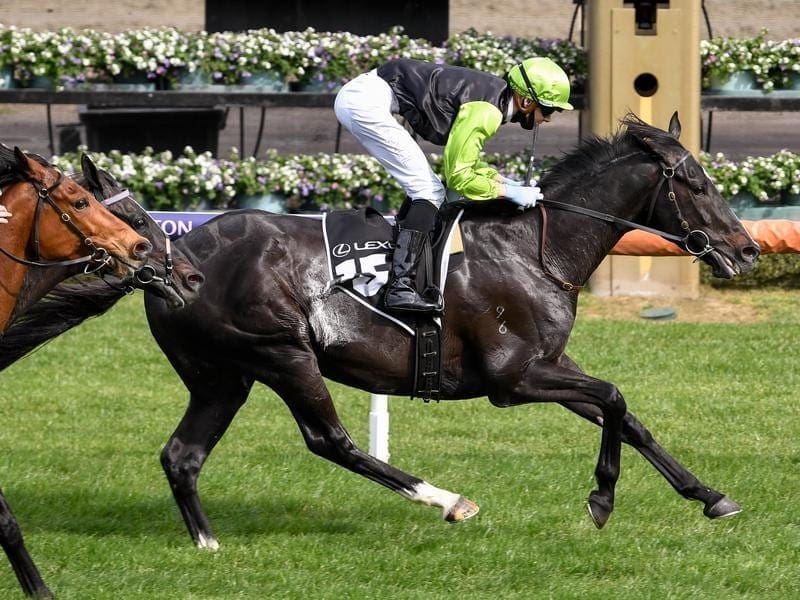
Melbourne Cup statistics show that bay horses have won 74 of the 163 races to date, make it far and away the most successful colour in the event’s history. That dominance is especially pronounced in the modern era, as bays have won all but five Melbourne Cup titles since 2000.
Bay coloured horses have won 16 of the last 21 runnings of the Melbourne Cup.
Without A Fight (2023) was the last of 39 brown horses to win the race, Media Puzzle (2002) made it 34 for chestnut horses, and Efficient (2007) brought up only the sixth win for the greys. A pure black horse has not won the Melbourne Cup since Clean Sweep in 1900.
| Horse Colour | Wins | Last |
|---|---|---|
| Bay | 74 | 2022 |
| Brown | 39 | 2023 |
| Chestnut | 34 | 2002 |
| Grey | 6 | 2007 |
| Bay Or Brown | 4 | 2010 |
| Black | 3 | 1900 |
| Brown Or Black | 2 | 1931 |
2024 Melbourne Cup Final Field

1. Vauban (11)
- T: Willie Mullins
- J: William Buick
- W: 55.5kg
- F: 21342
- Age: 7YO
- Colour: Chestnut
- Sex: Gelding
- Sire: Galiway (GB)
- Dam: Waldfest (GB)

2. Buckaroo (21)
- T: Chris Waller
- J: Joao Moreira
- W: 54.5kg
- F: 22118
- Age: 6YO
- Colour: Bay
- Sex: Gelding
- Sire: Fastnet Rock
- Dam: Roheryn (IRE)

3. Circle Of Fire (24)
- T: Ciaron Maher
- J: Mark Zahra
- W: 54.5kg
- F: 098×1
- Age: 5YO
- Colour: Bay
- Sex: Horse
- Sire: Almanzor (FR)
- Dam: Fiery Sunset (GB)

4. Warp Speed (3)
- T: Noboru Takagi
- J: Akira Sugawara
- W: 54.5kg
- F: 0x523
- Age: 5YO
- Colour: Bay
- Sex: Horse
- Sire: Drefong (USA)
- Dam: Deep Love (JPN)

5. Kovalica (17)
- T: Chris Waller
- J: Damian Lane
- W: 53.5kg
- F: 6243x
- Age: 5YO
- Colour: Bay
- Sex: Gelding
- Sire: Ocean Park (NZ)
- Dam: Vitesse (NZ)

6. Sharp ‘N’ Smart (15)
- T: Graeme & Deborah Rogerson
- J: Michael Dee
- W: 53.5kg
- F: 3020x
- Age: 5YO
- Colour: Bay
- Sex: Gelding
- Sire: Redwood (GB)
- Dam: Queen Margaret (NZ)

7. Just Fine (13)
- T: Gai Waterhouse & Adrian Bott
- J: Jye McNeil
- W: 53kg
- F: 01050
- Age: 7YO
- Colour: Bay
- Sex: Gelding
- Sire: Sea The Stars (IRE)
- Dam: Bint Almatar (USA)

8. Land Legend (18)
- T: Chris Waller
- J: Zac Purton
- W: 53kg
- F: 3160x
- Age: 5YO
- Colour: Chestnut
- Sex: Gelding
- Sire: Galileo (IRE)
- Dam: Landikusic (IRE)

9. Absurde (7)
- T: Willie Mullins
- J: Kerrin McEvoy
- W: 52.5kg
- F: x14x1
- Age: 7YO
- Colour: Bay
- Sex: Gelding
- Sire: Fastnet Rock
- Dam: Incroyable (USA)

10. Athabascan (2)
- T: John O’Shea & Tom Charlton
- J: Zac Lloyd
- W: 52kg
- F: 1008x
- Age: 6YO
- Colour: Bay
- Sex: Gelding
- Sire: Almanzor (FR)
- Dam: Alzubra (GB)

11. Knight’s Choice (6)
- T: John Symons & Sheila Laxon
- J: Robbie Dolan
- W: 51.5kg
- F: 5009x
- Age: 5YO
- Colour: Bay
- Sex: Gelding
- Sire: Extreme Choice
- Dam: Midnight Pearl

12. Okita Soushi (10)
- T: Ciaron Maher
- J: Jamie Kah
- W: 51kg
- F: 1208x
- Age: 7YO
- Colour: Bay
- Sex: Horse
- Sire: Galileo (IRE)
- Dam: Amicus

13. Onesmoothoperator (12)
- T: Brian Ellison
- J: Craig Williams
- W: 51kg
- F: 1471x
- Age: 7YO
- Colour: Bay
- Sex: Gelding
- Sire: Dialed In (USA)
- Dam: Sueno D’Oro (USA)

14. Zardozi (4)
- T: James Cummings
- J: Andrea Atzeni
- W: 51kg
- F: 54256
- Age: 4YO
- Colour: Bay
- Sex: Mare
- Sire: Kingman (GB)
- Dam: Chanderi (GB)

15. Sea King (1)
- T: Harry Eustace
- J: Hollie Doyle
- W: 50.5kg
- F: 1×631
- Age: 6YO
- Colour: Brown
- Sex: Gelding
- Sire: Sea The Stars (IRE)
- Dam: Pamona (IRE)

16. Valiant King (22)
- T: Chris Waller
- J: Craig Newitt
- W: 50.5kg
- F: 906×6
- Age: 5YO
- Colour: Grey
- Sex: Gelding
- Sire: Roaring Lion (USA)
- Dam: Assembly (USA)

17. Fancy Man (19)
- T: Annabel Neasham & Rob Archibald
- J: Ron Stewart
- W: 50kg
- F: 635×0
- Age: 7YO
- Colour: Bay
- Sex: Gelding
- Sire: Pride of Dubai
- Dam: Fancy (IRE)

18. Interpretation (14)
- T: Ciaron Maher
- J: Teo Nugent
- W: 50kg
- F: 26800
- Age: 7YO
- Colour: Brown
- Sex: Gelding
- Sire: Galileo (IRE)
- Dam: Daldiyna (FR)

19. Manzoice (8)
- T: Chris Waller
- J: Declan Bates
- W: 50kg
- F: 7032x
- Age: 5YO
- Colour: Bay
- Sex: Gelding
- Sire: Almanzor (FR)
- Dam: Choice (NZ)

20. Mostly Cloudy (16)
- T: Trent Busuttin & Natalie Young
- J: Karis Teetan
- W: 50kg
- F: 044×2
- Age: 6YO
- Colour: Bay
- Sex: Gelding
- Sire: Harzand (IRE)
- Dam: Clarinda (FR)

21. Positivity (20)
- T: Andrew Forsman
- J: Winona Costin
- W: 50kg
- F: 8712x
- Age: 4YO
- Colour: Bay
- Sex: Mare
- Sire: Almanzor (FR)
- Dam: Pussy O’Reilly (NZ)

22. Saint George (9)
- T: Ciaron Maher
- J: Tyler Schiller
- W: 50kg
- F: 5948x
- Age: 5YO
- Colour: Grey
- Sex: Horse
- Sire: Roaring Lion (USA)
- Dam: Lady Dragon (IRE)

23. The Map (23)
- T: Dan Clarken & Oopy MacGillivray
- J: Rachel King
- W: 50kg
- F: 6509x
- Age: 6YO
- Colour: Bay
- Sex: Mare
- Sire: Alpine Eagle
- Dam: This Moment

Melbourne Cup Runner-by-Runner betting guide & racing tips